
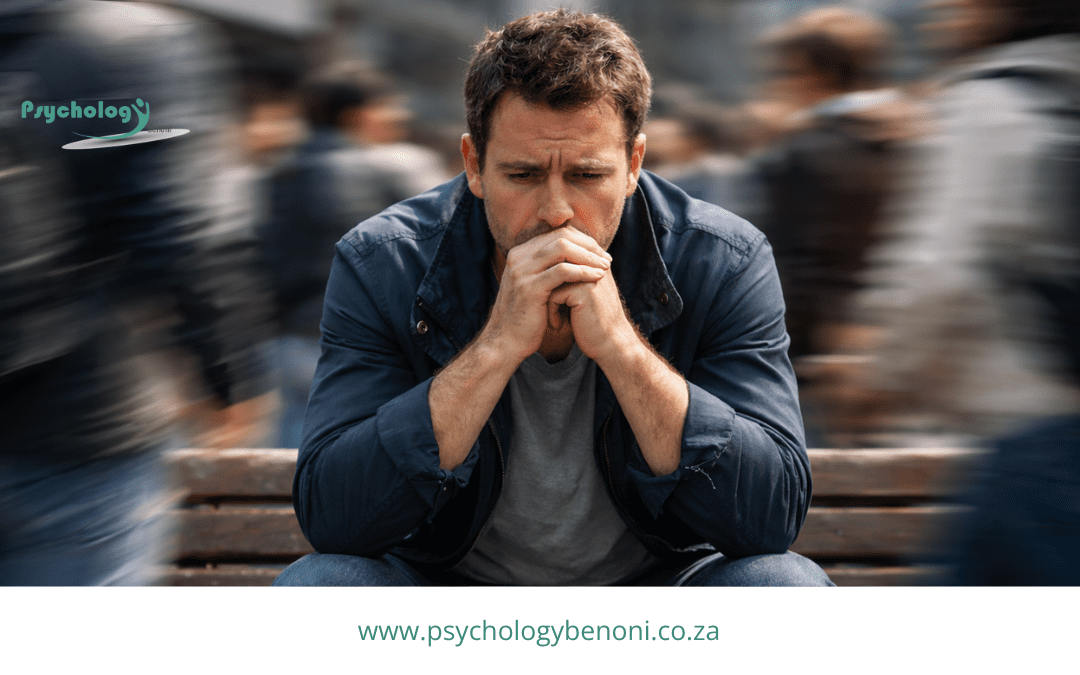
Understanding PTSD: Signs, Symptoms, and When to Seek Help
Trauma can leave a lasting imprint on the mind and body. For some people, those effects do not fade with time. If you’re searching for PTSD therapy in Rynfield, understanding what post-traumatic stress disorder is — and how it presents — can be the first step toward healing.
At Psychology Benoni, Tanja Kalapac offers compassionate, evidence-based support for individuals struggling with trauma. PTSD is not a sign of weakness. It is a recognised mental health condition that can develop after experiencing or witnessing a deeply distressing event.
What Is PTSD? A Clinical Overview
Post-Traumatic Stress Disorder (PTSD) is a psychological condition that may develop after exposure to:
-
Being harmed or feeling unsafe
-
Serious accidents
-
Military combat
-
Sudden loss of a loved one
-
Ongoing abuse or violence
-
Medical trauma
While many people experience short-term distress after trauma, PTSD occurs when symptoms persist for more than a month and interfere with daily life.
Importantly, trauma affects each person differently. Two people can experience the same event, yet only one may develop PTSD. This does not invalidate either experience — it highlights how personal and complex trauma truly is.
Common Signs and Symptoms of PTSD
PTSD symptoms generally fall into four main categories:
1. Intrusive Memories
You may experience:
-
Flashbacks that feel as if the event is happening again
-
Nightmares related to the trauma
-
Distressing thoughts that appear unexpectedly
-
Intense emotional or physical reactions to reminders
These experiences can feel overwhelming and difficult to control.
2. Avoidance
Many individuals begin avoiding:
-
Places, people, or conversations linked to the trauma
-
Activities once enjoyed
-
Thoughts or emotions connected to the event
Avoidance may temporarily reduce anxiety. However, over time, it often strengthens fear and isolation.
3. Negative Changes in Mood and Thinking
PTSD can alter how you see yourself and the world. You may notice:
-
Persistent guilt or shame
-
Feeling detached from others
-
Loss of interest in life
-
Difficulty experiencing positive emotions
-
Harsh self-blame
These cognitive shifts can make relationships and work feel exhausting.
4. Heightened Arousal and Reactivity
The nervous system may remain in a constant “fight-or-flight” state, leading to:
-
Irritability or angry outbursts
-
Difficulty sleeping
-
Trouble concentrating
-
Being easily startled
-
Hypervigilance (always feeling on guard)
Over time, this chronic tension can impact physical health as well.
How PTSD Affects the Brain and Body
Trauma reshapes the nervous system. The brain’s alarm centre becomes overactive, while areas responsible for reasoning and emotional regulation can become less effective.
This means your reactions are not deliberate or dramatic — they are neurological. Understanding this often reduces self-criticism and helps people approach recovery with compassion.
Through professional PTSD therapy in Rynfield, individuals can gradually retrain the brain’s stress response and regain a sense of safety.
When Should You Consider PTSD Therapy in Rynfield?
It may be time to seek help if:
-
Symptoms persist longer than four weeks
-
You feel “stuck” in the trauma
-
Your relationships are suffering
-
Work or studies are affected
-
You are using substances to cope
-
You feel emotionally numb or disconnected
You do not need to wait until things become unbearable. Early support often prevents symptoms from becoming more entrenched.
At Psychology Benoni, Tanja Kalapac provides trauma-informed care tailored to your pace and readiness.
What Does PTSD Therapy Involve?
Effective trauma treatment is structured yet gentle. Therapy may include:
-
Psychoeducation about trauma responses
-
Emotional regulation skills
-
Gradual processing of traumatic memories
-
Cognitive restructuring of unhelpful beliefs
-
Grounding techniques to manage flashbacks
Sessions are collaborative and paced carefully. You remain in control of what you share and when.
Seeking PTSD therapy in Rynfield is not about reliving pain endlessly. It is about safely integrating the experience so it no longer controls your life.
Why Choose Psychology Benoni and Tanja Kalapac?
Tanja Kalapac is a highly qualified clinical psychologist based in Benoni. She brings warmth, professionalism, and deep clinical knowledge to her work with trauma survivors.
Clients value:
-
A calm and confidential therapeutic space
-
Evidence-based treatment approaches
-
Non-judgmental support
-
Cultural sensitivity
-
Clear guidance throughout the healing process
At Psychology Benoni, therapy is not rushed. It is a steady partnership toward recovery.
Healing Is Possible
PTSD can make the world feel unsafe and unpredictable. However, with the right support, your nervous system can relearn safety. Your mind can soften its grip on the past.
If you recognise these symptoms in yourself or someone you love, consider reaching out for PTSD therapy in Rynfield. You deserve support that honours both your strength and your pain.
Take the First Step Today
You do not have to carry trauma alone. Contact Psychology Benoni to schedule a confidential consultation with Tanja Kalapac. With professional guidance and compassionate care, healing is not only possible — it is within reach.