
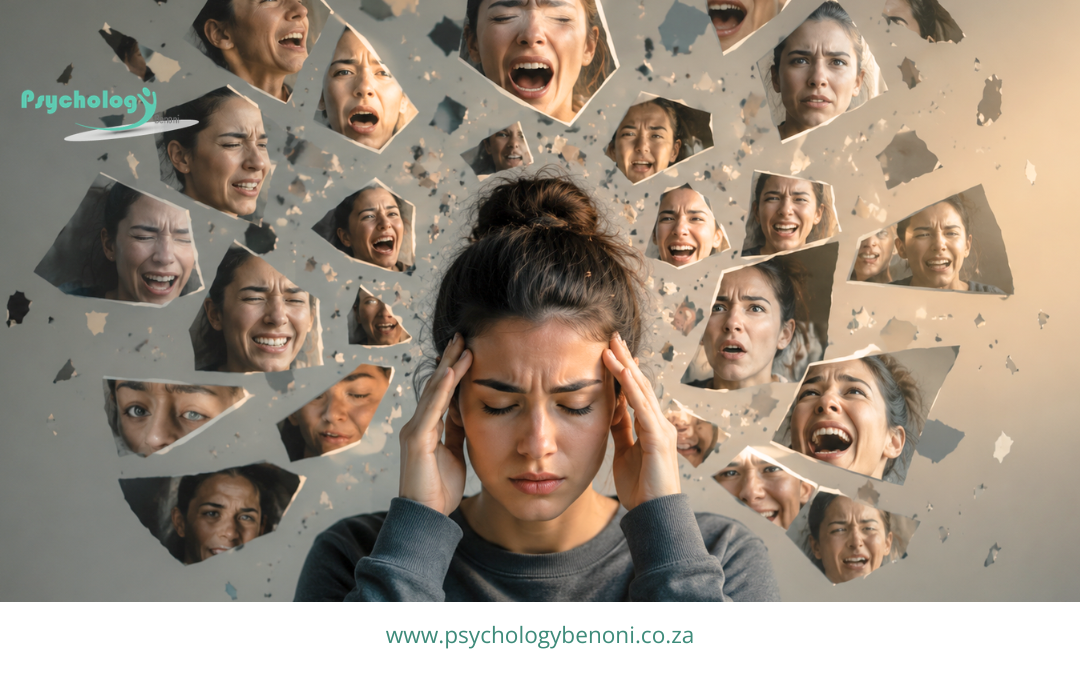
What Is Emotional Dysregulation? Understanding the Signs and Symptoms
Everyone experiences intense emotions from time to time. However, when emotions become overwhelming, difficult to manage, or interfere with relationships, work, or daily life, it may be a sign of emotional dysregulation. Working with a clinical psychologist in Benoni can help you understand these experiences and develop practical strategies to regain emotional balance.
At Psychology Benoni, Tanja Kalapac provides compassionate, evidence-based psychological support for individuals experiencing emotional challenges. Whether emotional dysregulation is linked to anxiety, trauma, depression, ADHD, personality difficulties, chronic stress, or another mental health concern, therapy can help you understand the underlying causes and build healthier coping skills.
Understanding Emotional Dysregulation with a Clinical Psychologist in Benoni
Emotional dysregulation refers to ongoing difficulty managing emotional responses in a healthy and flexible way. Rather than simply feeling emotions strongly, individuals may struggle to calm themselves, think clearly during emotional situations, or respond proportionately to everyday challenges.
Emotions may shift rapidly or remain intense for extended periods. As a result, relationships, work performance, decision-making, and overall wellbeing can become increasingly affected.
A clinical psychologist in Benoni, such as Tanja Kalapac, helps identify the factors contributing to emotional dysregulation while developing personalised strategies that improve emotional resilience and self-awareness.
Emotional Dysregulation Is Not Simply “Being Emotional”
Many people mistakenly believe emotional dysregulation means someone is overly sensitive or dramatic. In reality, it reflects genuine difficulties within the brain’s emotional regulation systems.
These challenges are often influenced by multiple factors, including:
- Childhood experiences
- Trauma or chronic stress
- Anxiety disorders
- Depression
- ADHD
- Autism Spectrum Disorder
- Personality disorders
- Ongoing life pressures
- Sleep deprivation or burnout
Understanding these contributing factors reduces self-blame and opens the door to meaningful recovery.
Common Signs and Symptoms of Emotional Dysregulation
While emotional dysregulation looks different for everyone, several common patterns may emerge.
Intense Emotional Reactions
Individuals often experience emotions that feel much stronger than the situation seems to warrant. Small disappointments or disagreements may trigger overwhelming sadness, anger, anxiety, or frustration.
Difficulty Calming Down
After becoming upset, it may take a long time to feel emotionally settled again. Even after the triggering event has passed, the emotional intensity often remains.
Rapid Mood Changes
Some people notice that their mood shifts quickly throughout the day without fully understanding why. These changes can feel confusing and exhausting.
Impulsive Behaviour
Strong emotions sometimes lead to impulsive decisions, including:
- Saying things that are later regretted
- Emotional outbursts
- Risk-taking behaviours
- Spending impulsively
- Quitting jobs or ending relationships suddenly
- Acting before thinking
Relationship Difficulties
Because emotions can become overwhelming, relationships may become strained. Misunderstandings, conflict, fear of rejection, or difficulty communicating emotions often contribute to ongoing interpersonal challenges.
Feeling Overwhelmed by Everyday Stress
Situations that others appear to manage comfortably may feel emotionally exhausting. Everyday responsibilities can quickly become overwhelming when emotional regulation is impaired.
Physical Symptoms That May Accompany Emotional Dysregulation
Emotional dysregulation does not only affect thoughts and feelings. Many people also experience physical symptoms, including:
- Muscle tension
- Headaches
- Fatigue
- Rapid heartbeat
- Difficulty sleeping
- Stomach discomfort
- Restlessness
- Feeling emotionally drained
Because the mind and body are closely connected, emotional distress often presents physically as well.
What Causes Emotional Dysregulation?
There is rarely one single cause. Instead, emotional dysregulation typically develops through a combination of biological, psychological, and environmental influences.
Possible contributing factors include:
- Childhood emotional neglect
- Traumatic experiences
- Chronic stress
- Family conflict
- Neurodevelopmental conditions such as ADHD
- Mood disorders
- Anxiety disorders
- Personality vulnerabilities
- Poor emotional modelling during childhood
Understanding these underlying influences is an important part of effective psychological treatment.
When Should You Seek Professional Help?
Many people assume they simply need to “control their emotions better.” However, emotional regulation is a skill that can be learned with professional support.
Consider speaking to a psychologist if you:
- Frequently feel emotionally overwhelmed
- Experience explosive anger or emotional outbursts
- Have difficulty recovering after stressful events
- Notice recurring conflict in relationships
- Feel your emotions interfere with work or school
- Use unhealthy coping strategies to manage emotional pain
- Feel emotionally exhausted most days
Seeking help early often prevents emotional difficulties from becoming more severe over time.
How Therapy Can Help
Therapy provides a safe, supportive environment to understand your emotional experiences without judgement.
At Psychology Benoni, Tanja Kalapac tailors treatment to each individual’s unique needs. Depending on your circumstances, therapy may focus on:
- Identifying emotional triggers
- Developing emotional awareness
- Building healthy coping strategies
- Improving distress tolerance
- Strengthening communication skills
- Processing past trauma
- Reducing anxiety and chronic stress
- Improving self-esteem and resilience
Over time, these skills help individuals respond to difficult situations with greater confidence and emotional stability.
Why Choose Psychology Benoni?
Choosing the right psychologist is an important step toward better mental health.
Tanja Kalapac is committed to providing evidence-based psychological care within a compassionate, respectful, and confidential environment. Her approach focuses on understanding the whole person rather than simply treating symptoms.
Whether emotional dysregulation has developed gradually or has become increasingly disruptive, working with a clinical psychologist in Benoni can provide valuable insight, practical tools, and lasting support.
Take the First Step Towards Emotional Balance
Living with overwhelming emotions can feel exhausting, but change is possible. Emotional regulation skills can be learned, strengthened, and maintained with the right professional guidance.
If emotional dysregulation is affecting your relationships, work, or quality of life, Psychology Benoni is here to help. Tanja Kalapac offers compassionate, evidence-based therapy designed to help you better understand your emotions, improve emotional resilience, and move forward with greater confidence.
Contact Psychology Benoni today to schedule an appointment with a trusted clinical psychologist in Benoni and begin your journey towards healthier emotional wellbeing.